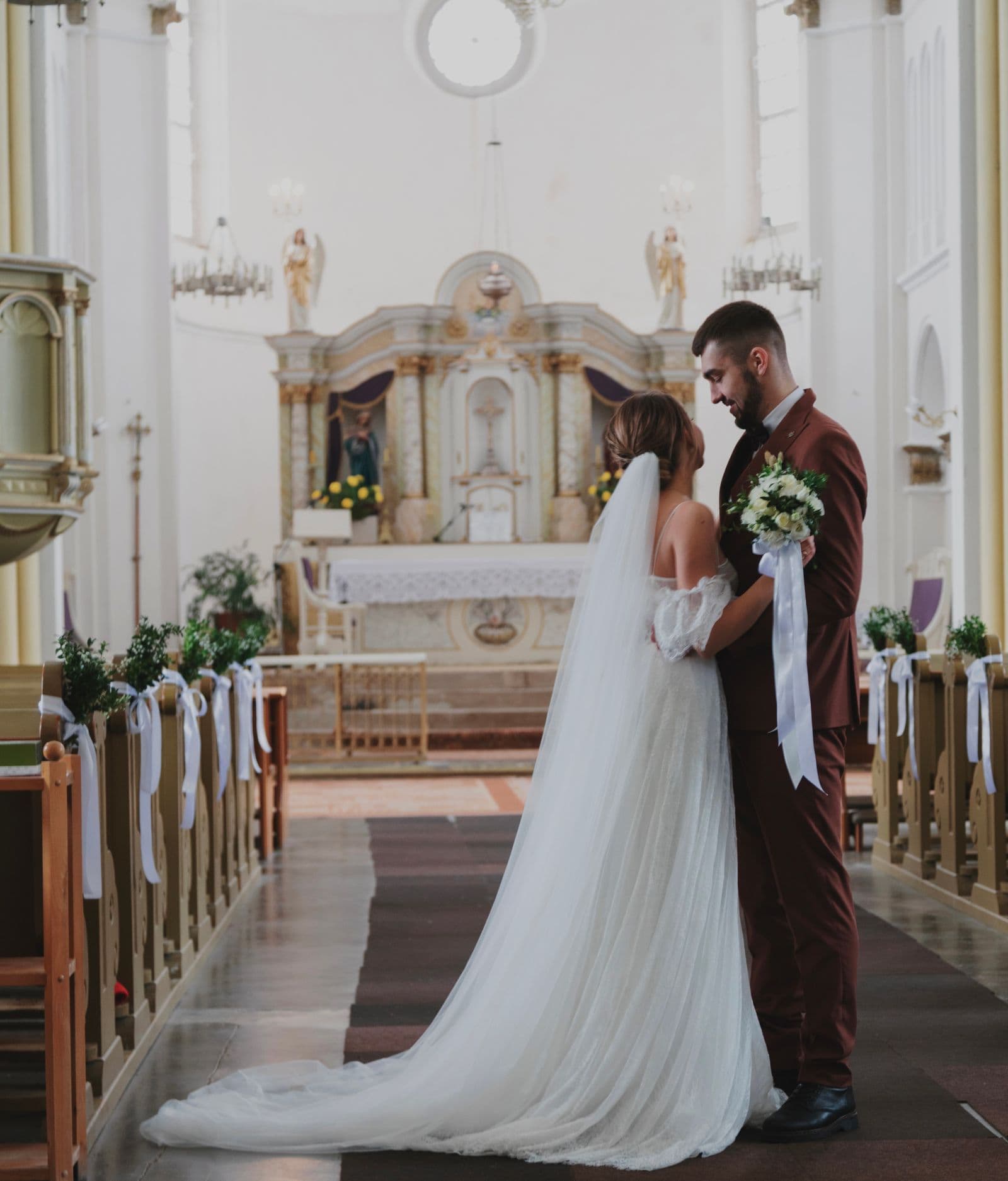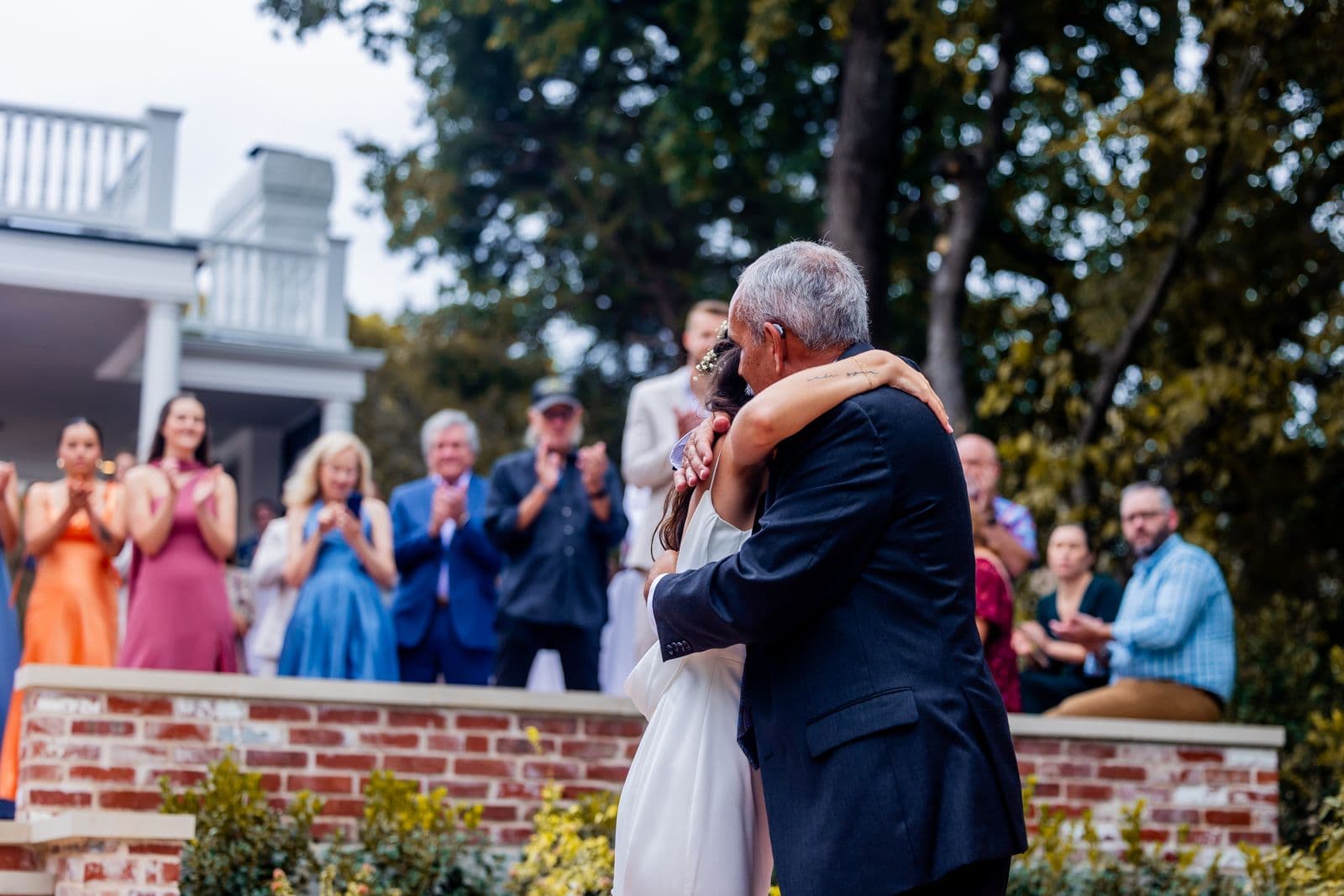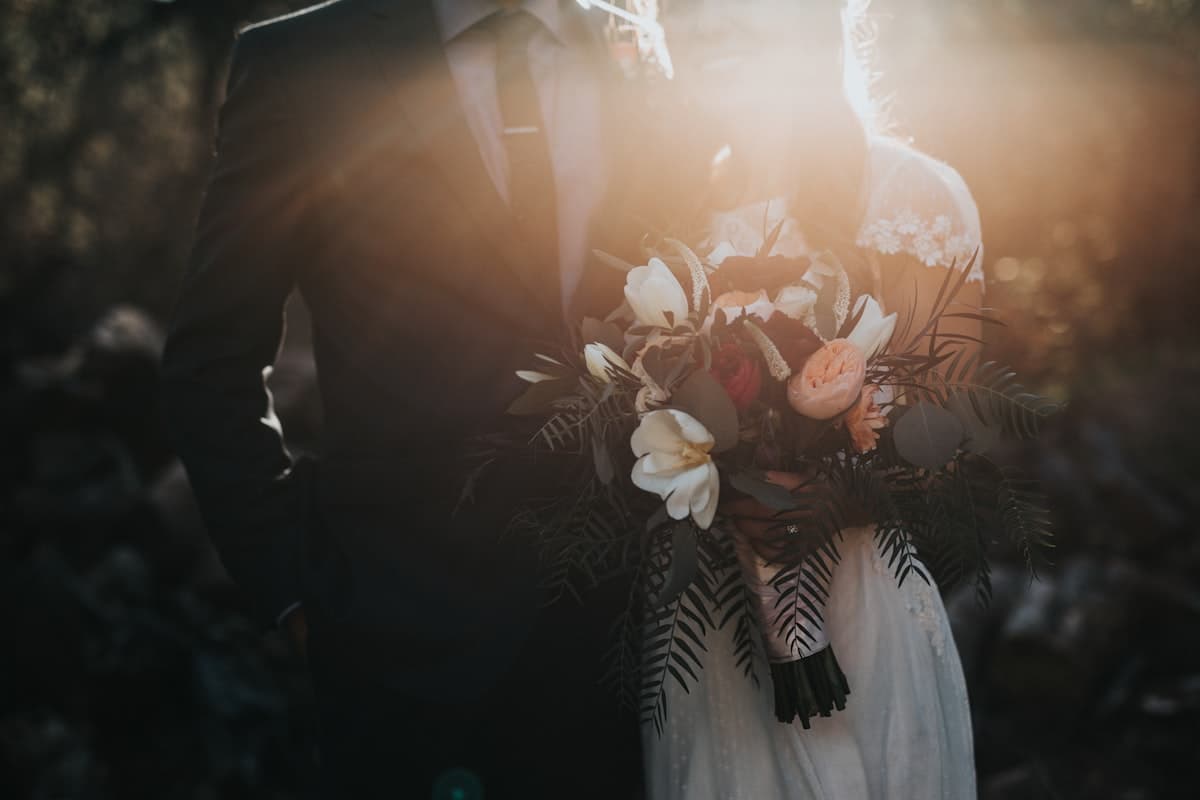
A Christian wedding ceremony is more than an exchange of vows. It is a public act of worship, a covenant made before God and witnesses, and the beginning of a new family unit built on faith. While denominations vary in their specific traditions, most Protestant Christian ceremonies follow a recognizable order that has guided believers through this sacred moment for centuries.
This guide walks through the classic Christian wedding ceremony order, step by step. Whether you are working with a pastor to plan your service or simply want to understand what to expect, this outline will help you see how each element fits together into a cohesive act of worship.
1. Prelude Music
As guests are seated, musicians or a worship team play hymns or instrumental music. This sets the tone and invites a spirit of reverence before the ceremony begins. Common choices include classical arrangements of hymns like "Be Thou My Vision" or contemporary worship songs that hold meaning for the couple.
2. Processional
The processional marks the formal beginning of the ceremony. The order typically goes: groomsmen escort bridesmaids down the aisle, followed by the maid of honor, followed by the bride (often accompanied by her father or both parents). The groom and officiant usually enter from a side door and are already at the front.
Scripture suggestion for your program: "This is the day the Lord has made; let us rejoice and be glad in it." (Psalm 118:24)
3. Welcome and Opening Prayer
The officiant welcomes the congregation and acknowledges the sacred nature of what is about to take place. An opening prayer invites God's presence into the ceremony and reminds everyone gathered that this is an act of worship, not merely a cultural tradition.
A simple opening might sound like: "We are gathered here in the presence of God and these witnesses to join [Name] and [Name] in holy matrimony. This covenant is not entered into lightly, but with reverence, joy, and reliance on God's grace."
4. Scripture Reading(s)
One or two scripture passages are read, often by a family member or close friend. These passages anchor the ceremony in God's Word and remind the couple of the biblical foundation for their marriage.
Three passages that work beautifully in a Christian wedding ceremony:
- 1 Corinthians 13:4-8, "Love is patient, love is kind…" The most widely read wedding passage. It defines love not as a feeling but as a series of choices and commitments.
- Ruth 1:16-17, "Where you go I will go, and where you stay I will stay." Ruth's words to Naomi are a powerful picture of covenantal loyalty.
- Colossians 3:12-14, "Bear with each other and forgive one another… And over all these virtues put on love, which binds them all together in perfect unity." A practical charge to the couple.
5. Message or Homily
The pastor or officiant delivers a short message, typically 10 to 15 minutes, focused on the biblical meaning of marriage and an encouragement to the couple. The best wedding homilies are personal (they know the couple), scriptural (grounded in a specific text), and forward-looking (casting a vision for the marriage ahead).
This is also where the tone of the ceremony is most clearly established. A pastor who can speak to the couple's specific story, weave in relevant scripture, and call the congregation to pray for the marriage will make the ceremony memorable.
6. Exchange of Vows
The vows are the covenant itself. The officiant typically asks each partner to repeat vows after him, or the couple may write their own. Traditional Christian vows include the commitment to love "for better or for worse, for richer or for poorer, in sickness and in health, until death do us part."
If you are writing your own vows, consider including: a specific promise, an acknowledgment of God as the foundation of your marriage, and a commitment that is unconditional rather than conditional. Avoid vows that read like a list of things your spouse does well today. Vows are about what you are committing to, not what you have already experienced.
7. Exchange of Rings
The rings are a visible, ongoing symbol of the vows just spoken. The officiant typically presents each ring and invites the couple to place it on each other's finger while repeating a brief declaration: "With this ring, I thee wed."
The circle of a ring is historically understood as a symbol of eternity. Many officiants note that just as a ring has no beginning and no end, so the covenant of marriage is meant to reflect God's own unending faithfulness.
8. Pronouncement and First Kiss
The officiant pronounces the couple husband and wife. This is the legal and covenantal declaration that the marriage is complete. The first kiss follows as the congregation celebrates.
A typical pronouncement: "By the authority vested in me, and in the presence of God and these witnesses, I now pronounce you husband and wife. What God has joined together, let no one separate. You may kiss your bride."
9. Benediction and Closing Prayer
The ceremony closes with a blessing over the couple and the congregation. A benediction drawn from scripture gives the ceremony a worshipful conclusion.
A classic option: "May the Lord bless you and keep you; the Lord make his face shine on you and be gracious to you; the Lord turn his face toward you and give you peace." (Numbers 6:24-26)
10. Recessional
The newly married couple walks back up the aisle as husband and wife while the congregation applauds. The wedding party follows, then the families, then the congregation is dismissed.
The recessional music should feel joyful and celebratory. Handel's "Hallelujah Chorus," Beethoven's "Ode to Joy," or a contemporary worship song the couple loves all work well.
Putting It All Together
A well-planned Christian wedding ceremony takes roughly 30 to 45 minutes from processional to recessional. If you are incorporating additional elements like a prayer for the couple from the congregation or a time of responsive reading, plan for closer to 50 minutes.
The most important thing is not the length or the specific elements you include, but whether the ceremony clearly communicates what it is: two people making a covenant before God, with the full expectation that He will be the third strand in the cord of their marriage (Ecclesiastes 4:12).
Ready to start planning your ceremony? AltarWed gives every couple a free ceremony builder where you can organize your order of service, write and save your vows, and share your wedding website with guests.