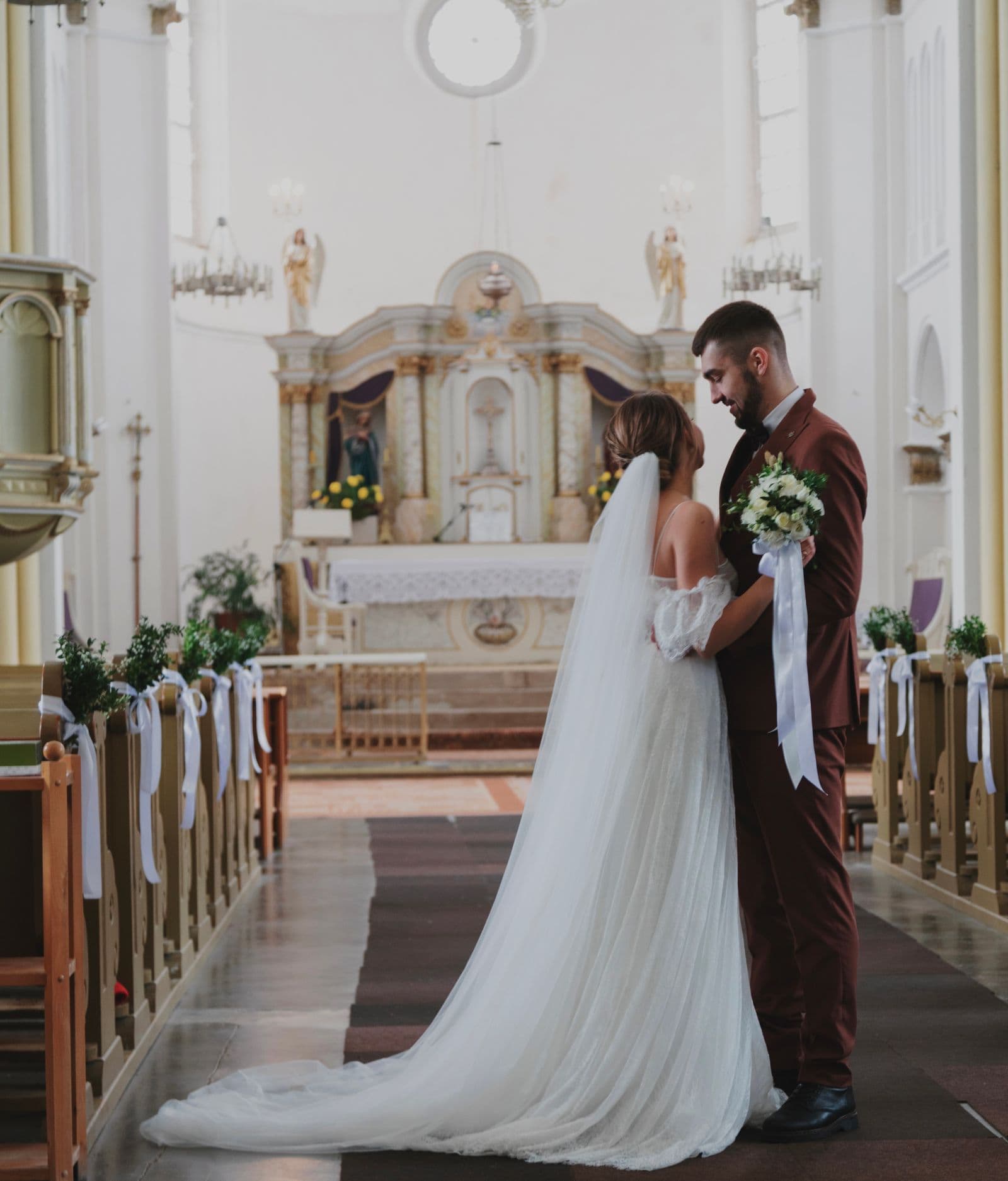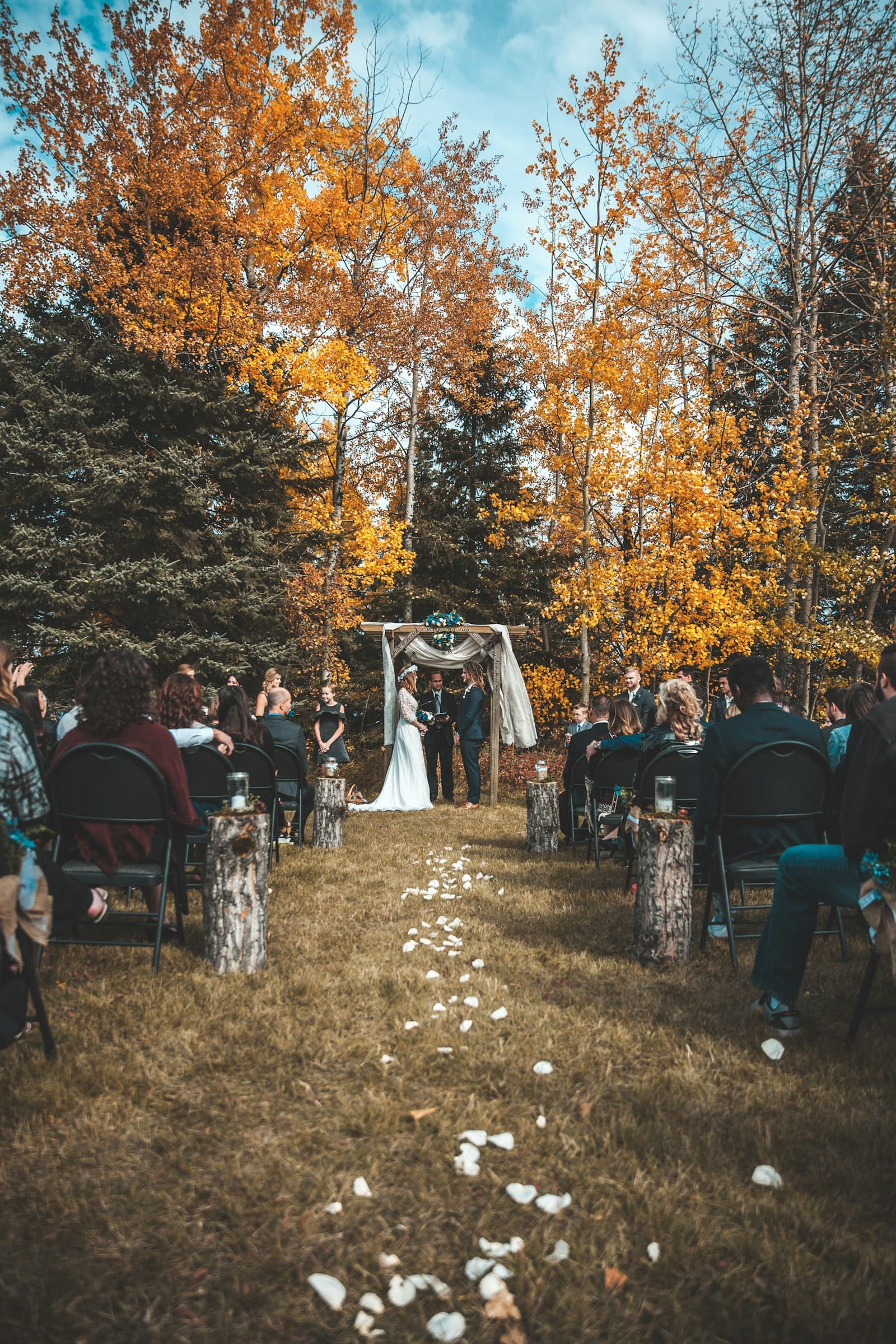
The flowers can be swapped. The venue can be changed. Even the date has some flexibility. But the person who stands at the front of that church and guides you through the covenant you are making before God is not a detail you want to choose in a rush.
Choosing your wedding officiant is one of the most personal decisions in the entire planning process. This guide walks you through who can officiate a Christian wedding, what to look for, the questions you need to ask before you book, and how to work with your officiant to create a ceremony that truly reflects your faith and your story.
Who can officiate a Christian wedding?
The short answer is: it depends on your tradition and your state. Most Christian couples choose one of the following:
- Your home pastor or priest. This is the most common choice, and for good reason. Your pastor already knows you, has likely watched your relationship develop, and can speak personally about your faith. Many pastors require premarital counseling as a condition of officiating, which is a genuinely good thing (more on that in a moment).
- A pastor from another church. If you and your fiance attend different churches, or if your home church is small and your pastor is not comfortable performing weddings, you can invite a trusted pastor from another congregation.
- A deacon or licensed minister. Many denominations allow deacons or licensed lay ministers to officiate weddings. Check with your church elder board or denominational governing body to confirm what is permitted in your tradition.
- An ordained family member or friend. Some couples ask a family member or close friend to get ordained through an organization like the Universal Life Church so they can officiate the ceremony. This is legal in most states. The trade-off is that an untrained officiant, however beloved, may struggle with the ceremony structure, the legal paperwork, and keeping the service from feeling unrehearsed. If you go this route, plan to coach them through every detail and run a full rehearsal.
Whatever you choose, confirm that your officiant is legally recognized to perform marriages in your state. Every state requires the officiant to sign the marriage license, and a mistake here is more than awkward. Check your county clerk's website for the specific requirements in your area well before the wedding day.
When to start looking
As soon as you have a venue and a date. Pastors and clergy book up just like photographers, often a year or more in advance for spring and fall wedding seasons. If you are planning a ceremony at your home church with your own pastor, confirm availability within the first few weeks of engagement. If you are still searching for an officiant, give yourself at least six months.
Questions to ask a potential officiant
The first conversation with a potential officiant is not a formality. It is your chance to understand whether this person will help you build the ceremony you actually want. These are the questions that matter most.
What is your experience with Christian wedding ceremonies?
Ask how many weddings they have officiated and whether they have experience with your specific tradition. A Baptist ceremony and a Catholic Mass operate very differently. An officiant who knows one style well may not be the right fit for the other, so be specific about what you are envisioning.
What does a typical ceremony you lead look like?
This is the most revealing question on the list. Some officiants follow a fixed liturgical script. Others prefer a highly personalized, conversational style. Neither is wrong, but you need to know which you are getting before you book. Ask to see a sample ceremony outline or a transcript from a past service if they are willing to share one.
How much input can we have on the ceremony?
Most good officiants welcome couple involvement. They can incorporate specific scriptures, personalized vows, a moment of prayer for the couple, a unity ceremony, or particular worship elements. But officiants bound by strict liturgical requirements may have less flexibility. Know upfront how much you can customize before you get attached to a specific vision. Our guide to the Christian wedding ceremony order of service walks through every element you might want to include, which can help you frame this conversation with any officiant you meet.
Do you require premarital counseling?
Many pastors require at least a few counseling sessions before they will agree to marry a couple. If your pastor requires it, that is a genuine gift. Couples who complete premarital counseling report stronger marriages and lower divorce rates. If you are curious about what counseling involves, our guide to Christian premarital counseling covers what to expect and questions worth bringing to your sessions.
What are your fees, and what is included?
Pastors at your home church often do not charge a fee, though an honorarium of $150 to $300 is a respectful and common gesture. Independent officiants typically charge between $200 and $600 for a standard ceremony, with higher fees for those who include rehearsal attendance, custom ceremony writing, and post-ceremony support. Get a clear picture of what is included before you commit.
How do you handle the marriage license?
Your officiant is responsible for signing your marriage license and ensuring it is returned to your county clerk within the required window after the ceremony. Ask how they handle this process. A seasoned officiant will have a clear, confident answer. An inexperienced one may need coaching, and that is a detail you want to catch before the wedding, not after.
Red flags to watch for
Most officiants you encounter will be sincere and professional. A few warning signs worth noting:
- Vague on the legal paperwork. If an officiant does not have a clear answer about the marriage license process, that is a problem. The certificate is the legal record of your marriage, and there is no fixing it after the fact.
- Unwilling to include your specific requests. A good officiant should be able to accommodate reasonable personalization. If someone insists on a rigid script with no flexibility and that is not what you want, keep looking.
- No premarital conversation at all. An officiant who agrees to marry you without any prior conversation has no idea who you are or what you believe. That may be fine for a civil ceremony. It is not what most Christian couples want from a faith-centered service.
- Slow or unreliable communication. You will have many follow-up conversations between booking and the wedding day. If someone takes weeks to return a message during the inquiry phase, that pattern will continue through planning.
Working with your officiant to build the ceremony
Once you have booked someone you trust, the real work begins. The more prepared you arrive at each planning meeting, the better your ceremony will be.
Share your love story
A ceremony that includes a brief, personal reflection about how you met, what your faith has looked like as a couple, or a meaningful memory from your relationship is far more powerful than a generic homily. Give your officiant the material to work with. Write out the story of how you met, when you knew this was the person you wanted to marry, and what faith means to your relationship. The more specific you are, the more personal the ceremony will feel to everyone in the room.
Choose your scripture passages together
The scripture woven through your ceremony sets its theological tone. 1 Corinthians 13 is the most requested passage at Christian weddings for good reason, but it is far from the only option. Ruth 1:16-17 is a profound statement of covenant commitment. Ecclesiastes 4:9-12 speaks to the strength of a marriage rooted in God. Colossians 3:12-14 frames what love looks like in daily practice. Pick two or three passages that reflect what you want your marriage to stand on, then ask your officiant how they might work into the ceremony structure. For a deeper look at what is available, our guide to Bible verses for weddings covers the most meaningful passages organized by theme.
Talk through your vows
Even if you are using traditional vow language, walk through the wording with your officiant so everyone is on the same page. If you are writing personal vows, ask whether they want to review them before the ceremony, both for content and for length. Vows that run longer than two minutes tend to lose the congregation. Our Christian wedding vows guide covers traditional and personal options with sample wording you can adapt.
Confirm the rehearsal plan
A rehearsal the night before is not optional if you want a ceremony that flows without awkward pauses. Confirm with your officiant whether they will attend (most do; some charge an additional fee for rehearsal attendance) and give them the full ceremony program well in advance so they can lead the run-through with confidence.
"Two are better than one, because they have a good return for their labor: If either of them falls down, one can help the other up." (Ecclesiastes 4:9-10)
The right officiant helps you step into that verse together. Finding them is worth the effort.
Frequently Asked Questions
Does our wedding officiant have to be ordained?
In most states, the person performing your wedding must be ordained or hold a civil office that authorizes them to perform marriages. Online ordination through organizations like the Universal Life Church is legally recognized in most but not all states. Check your specific state and county requirements with your county clerk before booking a friend or family member with an online ordination.
Can we have two officiants at our ceremony?
Yes. Some couples choose a co-officiation model, where their pastor leads the ceremony elements and a trusted friend or family member delivers a blessing or reading. Make sure both know who is responsible for what well before the rehearsal, and that only the legally authorized person signs the marriage license.
What if our church does not allow the pastor to officiate at a different venue?
Some pastors are willing to officiate outside their church building; others are not, either by personal preference or denominational policy. If your ceremony is at an outside venue and your pastor is not available to come, look for an independent Christian officiant or a pastor from another congregation who performs weddings at non-church venues regularly. Ask your own pastor for a referral. They will almost always know someone they trust.
How early before the ceremony should we connect with our officiant?
Plan at least two substantive planning conversations in the months before the wedding: one to work through the ceremony structure and your personal story, and one to finalize the script and confirm logistics. Then a quick confirmation call the week of the wedding to verify time, location, and the license plan. Do not leave the first planning conversation until a week before the ceremony.
Once your ceremony plans are coming together, your wedding website is the best place to share the details with guests: the venue address, the order of service, the Scripture verse you have chosen, and where to RSVP. Create your free AltarWed wedding website and share it with everyone on your guest list so they arrive at the church knowing what to expect and ready to celebrate with you.